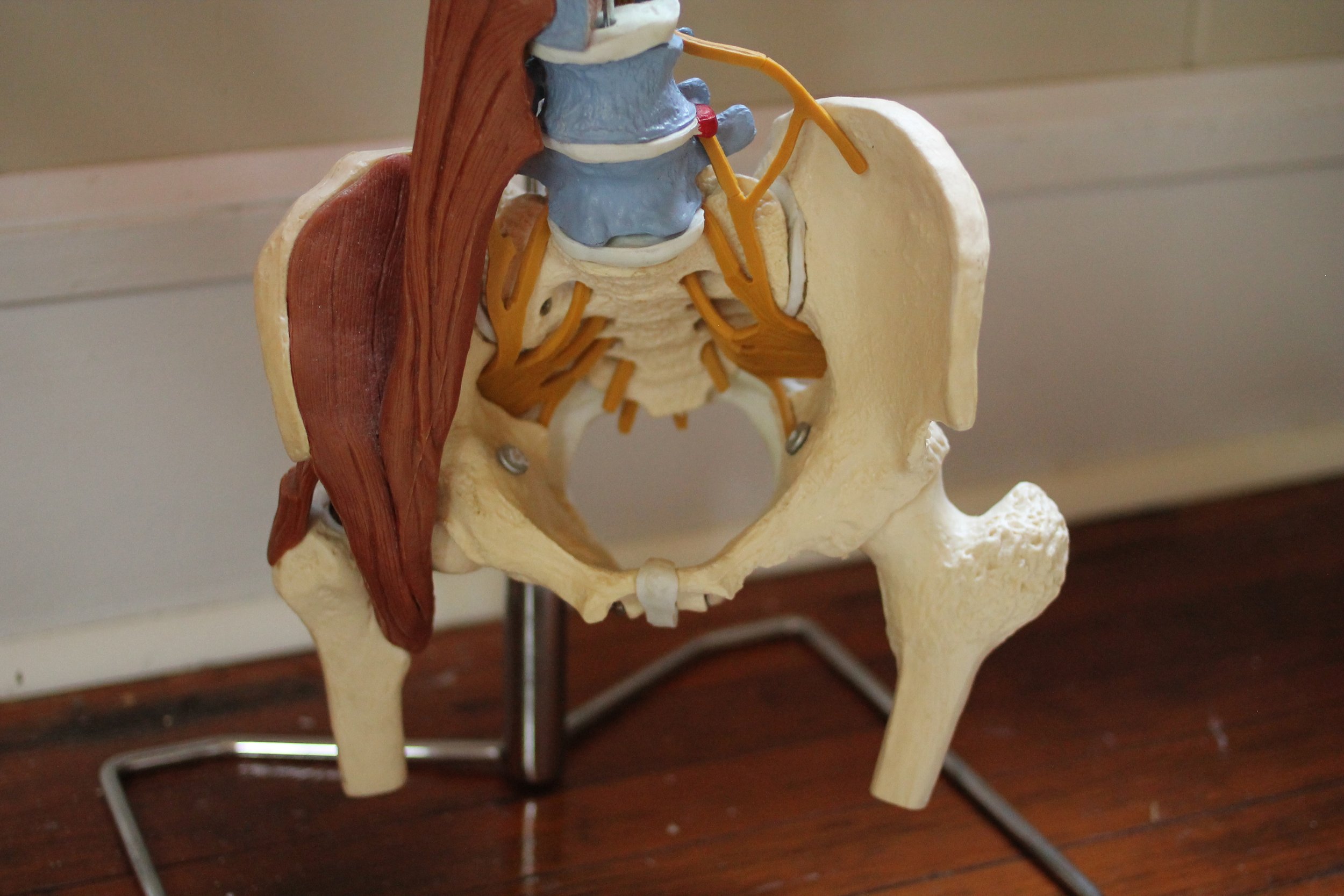
Massage is classically described as a series of refined techniques applied in various ways to promote the healing process. They can be pretty formulaic and patterned. Bodywork is an entirely different approach and used with the intention of a more holistic outcome.
Bodywork might include, rocking, pulling, traction-ing, breath coaching, in conjunction with any other type of body manipulation for the highest outcome of the client. My concise definition of bodywork would be this: manipulation of the body’s tissues/structures, performed by the therapist with the commitment by her or him, to not think, but tune in to the client, and co-create a healing experience.
Bodywork
Massage Therapies
Deep Tissue Massage
Deep tissue massage is a therapeutic approach for releasing adhesions in the deeper layers of muscle. My method involves working progressively from superficial to deeper layers of muscle and fascia, based on the understanding that much of our physical discomfort and dysfunction originates in these deeper soft tissue fibers. I work deliberately and methodically to encourage greater mobility between individual tissues while honoring their interconnectedness. As anatomist Gil Hedley reminds us, the distinctions we make between different tissues in the body exist largely through 'a knife and words'—in reality, everything is intricately connected. My goal is to help tissues move more freely within this web of relationship.
Myofascial Release Massage
In my work with clients, I've noticed that the fascial system is often overlooked, even though it's what creates and maintains our body's shape while influencing our posture, movement, and overall structural health. Myofascial release encompasses a variety of techniques designed to improve tissue hydration, enhance mobility, and provide joint stability for optimal functioning.
Fascia varies dramatically in thickness and strength—it can be as delicate as plastic wrap or as robust as four layers of cross-patterned packing tape (imagine the incredible strength of that bond). The term 'release' requires some clarification. Sometimes it involves hands-on techniques to hydrate tissues, joints, and bones, promoting smoother gliding and movement. Other times, optimal health actually requires the opposite approach: strategically creating more tension to bind structures together more securely. Excessive looseness isn't always beneficial—we need structural support to move pain-free. After all, we wouldn't even be able to stand without a strong, healthy IT band supporting us.
Neuromuscular Massage
This therapeutic bodywork technique was one of the first to truly captivate me during massage school nearly two decades ago. It involves applying focused, sustained pressure to specific areas of stubborn, dense muscle and myofascial tissue. By maintaining pressure for 8-15 seconds or longer, we essentially compress fluids out of the tissue. Upon release, the theory suggests that fresh fluids and nutrients flow back into the muscle cells—similar to wringing out a dirty sponge and then allowing it to absorb clean water for optimal function. This approach can be remarkably effective for addressing chronically tight, dense muscle fibers, particularly when other techniques haven't yielded results.
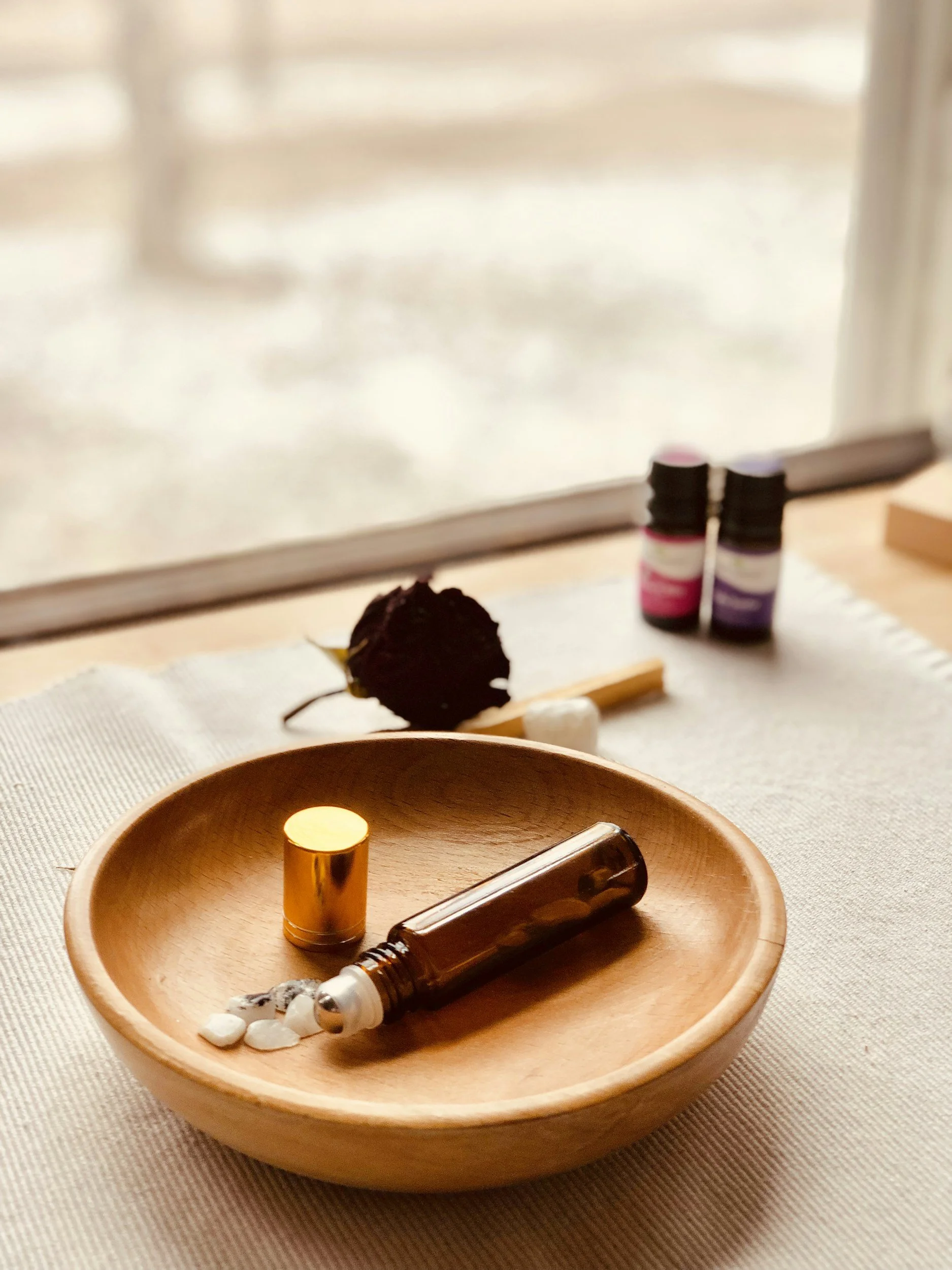
European Relaxation Massage
I use this approach intentionally, though the term 'relaxation massage' is sometimes dismissed as merely a 'spa experience' or 'feel-good' treatment. Many people undervalue its benefits beyond the immediate pleasure of the session itself. However, this perspective overlooks something crucial: our nervous systems haven't evolved as quickly as our modern world has changed. We're still learning how to process the overwhelming amount of stimuli that comes with 21st-century living.
I've found that many clients don't recognize the genuine therapeutic value of what they consider a 'simple spa massage.' I completely disagree with this view. Throughout my years of receiving bodywork—for a body that's been consistently active, occasionally injured, and definitely overworked—relaxation techniques have provided some of the most profound healing my tissues have ever experienced. Gentle touch can facilitate deep, lasting change in ways that more intensive work sometimes cannot.
Your Investment
What You Get:
30 minutes $65
60 minutes $115
90 minutes $145
Accepted Payment Methods:
Personal Check
Paypal: jbshoaf113@gmail.com
Venmo: jeffrey-shoaf-1
Ready to book a service?
Scroll to the bottom of this page to book!
Massage Therapy Packages
Package 1
Three 60-minute sessions
$290
Package 2
Five 60-minute sessions
$480
Package 3
Three 90-minute sessions
$395
Package 4
Five 90-minute sessions
$650